
Blog posts
-

Wholesale vs Retail Fastener Pricing: What Contractors Need to Know
Wholesale vs Retail Fastener Pricing: What Contractors Need to Know -


Learn wood screw types, sizes, and applications in this guide. Understand gauge numbering, head styles, and which screw to choose for your project.
Choosing the right fastener can make the difference between a joint that holds for decades and one that fails under stress. Wood screws are designed specifically for gripping into wood fibers, and they come in a wide range of sizes, head styles, and types tailored to different tasks. This guide covers the essentials of wood screw sizing, the common types of wood screws, and the basic head shapes you will encounter so you can select the best option for your next build or repair.
Wood screws are not measured by their diameter in inches or millimeters the way bolts are. Instead, they use a gauge numbering system that runs from 0000 to 32. The higher the gauge number, the larger the screw in both shank diameter and head size. For example, a #6 screw is smaller than an #8, and a #12 is larger than a #10. This system has been in use for decades and is standard across most wood screw manufacturers in North America.
When selecting a gauge, the thickness of the material and the load the joint will bear are the main factors. Heavier boards and structural connections typically call for a larger gauge, while light trim work or small crafts may use a smaller gauge. The gauge number is usually printed on the box or bag alongside the screw length. For example, a common size for general woodworking is #8, while decking often uses #9 or #10.
Several distinct types of wood screws have been developed over the years, each optimized for a particular kind of project or material. The following list covers the most widely used types you are likely to encounter.
Traditional wood screws are the standard choice for many woodworking and furniture projects. They feature a sharp point and coarse threads that bite into solid wood. These screws are typically used where the joint will not be exposed to moisture, such as indoor cabinetry, shelving, and general joinery. They may require a pilot hole to prevent splitting in dense or thin stock.
Deck screws are designed for outdoor use on decks, porches, and other exterior wood structures. They often have a special coating or are made from corrosion-resistant materials to withstand rain and humidity. The threads are typically deeper and more aggressive than traditional wood screws to hold deck boards securely to framing. Many deck screws have a self-drilling tip to speed up installation without pre-drilling.
Construction screws are built for heavy-duty framing and structural connections. They are generally stronger than traditional wood screws and are used in applications where high shear and tensile strength are required, such as attaching ledgers, building decks, or assembling engineered wood products. These screws often feature a hardened steel core and a specialized thread design for maximum holding power.
Drywall screws are primarily intended for fastening drywall to wood or metal studs. They have a bugle-shaped head that countersinks easily without tearing the paper facing. While they are occasionally used for temporary woodworking jigs, they are not designed for load-bearing wood connections and should not be substituted for purpose-built wood screws in permanent structures.
Pocket hole screws are a specialized type used with a pocket hole jig to join two pieces of wood at an angle. They have a flat head and a sharp point, and the threads are designed to pull the joint tight without splitting the wood. This type is very popular in cabinetry, furniture making, and face-frame construction because it creates a strong, hidden joint.
Trim head screws have a smaller head diameter than traditional wood screws, making them ideal for applications where the fastener must be less visible. They are commonly used for attaching trim, molding, and baseboards. The smaller head allows for easier filling or hiding with wood putty. Despite the smaller head, they still provide sufficient holding power for light to medium trim work.
Lag screws, also known as lag bolts, are large, heavy-duty fasteners designed for the most demanding wood connections. They have a hex head that requires a wrench or socket for installation. Lag screws are used for things like attaching a deck to a house frame, building heavy timber structures, or securing machinery to wood floors. They require a pre-drilled pilot hole and are often used with washers to distribute the load.
The head of a wood screw determines its appearance, how it drives, and what kind of tool you need. The following head types are the most common for wood screws.
Flat head screws have a conical underside that allows the head to sit flush with or slightly below the surface of the wood. This is the most common head style for general woodworking and is often used where a smooth, finished surface is desired. They require a countersunk hole if the screw is to be fully recessed.
An oval head screw has a rounded top and a tapered underside similar to a flat head. When driven, part of the head remains above the surface, giving a decorative appearance. Oval head screws are often used on cabinet hardware, latch plates, and other visible applications where a slight protrusion is acceptable or desirable.
Round head screws have a domed top and a flat underside. They sit entirely above the wood surface, making them easy to access with a screwdriver. This style is commonly used for attaching hardware or when a countersink is not practical. Round heads are less common in fine woodworking but are still found in some older designs and utility applications.
Pan head screws have a low, rounded profile with a flat top. They are similar to round head screws but with a slightly smaller diameter. Pan head screws are often used in metal-to-wood connections, such as attaching brackets or hinges, because the flat underside provides good bearing surface.
As mentioned earlier, trim head screws have a smaller diameter head than standard flat or round heads. This design minimizes visibility and makes it easier to conceal the fastener. Trim heads are available in both flat and oval styles and are a favorite among finish carpenters and cabinetmakers.
Truss head screws have a very wide, low-profile head that provides an extra-large bearing surface. This design helps prevent the head from pulling through thin or soft materials. Truss head screws are often used for attaching sheet metal, plastic, or thin wood panels to a solid substrate.
Washer head screws incorporate a built-in washer under the head, distributing the clamping force over a larger area. This eliminates the need for a separate washer and reduces the risk of crushing the wood surface. Washer head screws are common in decking and other outdoor applications where a secure, weather-resistant connection is needed.
The right screw depends on the specific demands of your project. For fastening deck boards, a deck screw with corrosion resistance and a self-drilling tip is a solid choice. When securing hinges or cabinet hardware, a traditional wood screw with a flat head that can be countersunk is appropriate. For joining two pieces of wood at a right angle for furniture or cabinetry, pocket hole screws are designed exactly for that purpose.
Always consider the material thickness, whether the joint will be exposed to moisture, and how much load the connection must support. For heavy structural work, lag screws or construction screws are usually required. For trim and fine woodworking, trim head screws offer a cleaner finish. And for general repairs or hobby projects, traditional wood screws in a common gauge like #8 or #6 work well for most tasks.
If you are unsure about the exact gauge or length needed, it is helpful to consult a project plan or ask a supplier for advice. Many fastener retailers provide charts that match screw sizes to common wood thicknesses and applications.
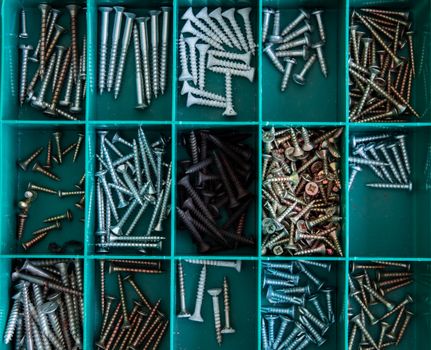
The gauge number is part of a system ranging from 0000 to 32. A higher gauge number indicates a larger screw in both shank diameter and head size. For instance, a #8 screw is larger than a #6 but smaller than a #10. This system helps you select the correct diameter for the material and load requirements.
Drywall screws are designed for fastening drywall to studs, not for general woodworking. Their brittle shanks can snap under the shear loads typical of wood joints, and they lack the holding power of purpose-built wood screws. It is better to use traditional wood screws or other screw types made for wood connections.
Not always, but many applications benefit from a pilot hole to prevent the wood from splitting, especially near edges or in dense hardwoods. Some wood screws have a self-drilling tip that reduces the need for pre-drilling. The manufacturer's recommendations on the package can guide you on whether a pilot hole is necessary.
Deck screws are specifically designed for fastening deck boards and often have corrosion-resistant coatings or materials. Construction screws are built for heavier structural framing and usually have a hardened steel core and more aggressive threads. While both are used outdoors, construction screws are generally stronger and used in load-bearing connections.
The length should be enough to penetrate at least half the thickness of the second piece of wood you are fastening. For example, when joining two 1-inch-thick boards, a screw length of 1.5 to 1.75 inches is typical. The exact length also depends on the screw type and whether you are countersinking the head.

