
Blog posts
-

Wholesale vs Retail Fastener Pricing: What Contractors Need to Know
Wholesale vs Retail Fastener Pricing: What Contractors Need to Know -


Learn sheet metal screw types including Type A, AB, B, thread-cutting, and self-drilling screws. Find the right fastener for metal, plastic, and wood projects.
Sheet metal screws are also called self-tapping screws and are used in sheet metal, plastic, wood, and aluminum. They are designed to create their own mating threads when driven into a pre-drilled or pre-punched hole. With so many varieties available, selecting the correct one for your project depends on the material thickness, hardness, and whether you need a pilot hole. This guide covers the most common sheet metal screw types, their thread characteristics, and typical applications so you can make an informed choice.
There are two main categories of sheet metal screws: standard screws that require a pilot hole and self-tapping screws that cut or form their own threads. Standard sheet metal screws must be used with a pre-drilled hole that matches the screw's thread diameter. Self-tapping screws, on the other hand, can form threads as they are driven, making them faster to install in many situations. Within each category, different point styles and thread configurations are used for specific materials and gauges.
Type A sheet metal screws feature a coarse thread and a sharp gimlet point. The coarse thread provides strong holding power in thin materials, while the sharp point allows the screw to start easily without a pilot hole in some applications. Type A screws are best for thin sheet metal up to 18 gauge, resinous wood, and plastic. However, they are not suitable for thick metals or brittle plastics, as the coarse thread can cause cracking or splitting. Because of their aggressive thread profile, Type A screws are often used in light-gauge metal fastening and general-purpose work.
Type AB sheet metal screws have a finer thread spacing than Type A and a sharp point for easy starting. The finer thread makes Type AB screws a good choice for thin or brittle materials, as the closer thread spacing distributes pressure more evenly and reduces the risk of cracking. Type AB screws are often preferred for applications involving thin sheet metal, plastic panels, or other materials that might split under a coarser thread. Like Type A, they can be used without a pre-drilled hole in many cases, but a pilot hole is recommended for harder materials.
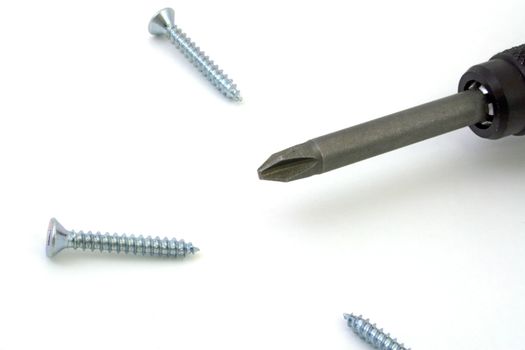
Type B sheet metal screws have fine, closely spaced threads and a blunt point. Because of the blunt point, Type B screws require a pre-drilled pilot hole. The fine thread provides excellent holding power in medium to heavy-gauge sheet metal and other materials. Type B screws are commonly used when the screw must be driven into a pre-tapped hole or when a tight, vibration-resistant fit is needed. The close thread spacing also makes Type B suitable for materials where a coarse thread would not hold well, such as thin metal laminates or some plastics.
Thread-cutting screws are designed to cut threads into a pre-drilled hole, removing material rather than displacing it. This reduces driving torque and minimizes stress on the workpiece, making them ideal for thick metals and brittle materials. Several distinct types are available for different applications.
Type 17 screws are thread-cutting with a machine screw thread and six longitudinal cutting edges at the point. They are best for stainless steel and non-ferrous metals. The multiple cutting edges allow Type 17 screws to start easily and cut clean threads even in harder materials. They require a pilot hole and are not intended for use in plastic or thin sheet metal where thread-forming screws might be more appropriate.
Type 23 screws have an extended cutting slot and a longer chip cavity than Type 17. This design provides more room for chips to collect, making Type 23 suitable for thick sheet metal and castings where deeper threads are needed. The extended cutting slot also helps reduce driving torque in dense materials.
Type 25 screws have three cutting edges and a large chip cavity to reduce driving torque. They are ideal for plastics and brittle materials because the three cutting edges produce smaller chips and lower stress on the workpiece. The large chip cavity prevents clogging, allowing for smooth installation in materials that might otherwise crack or deform.
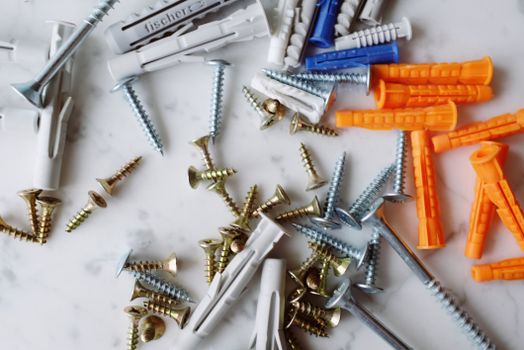
Self-drilling screws, often called Tek screws, have a drill-like point that eliminates the need for pre-drilling. They are available with numbered drill points (1 through 5) designed for different material thickness ranges. Point #1 is for material up to 0.015 inch thick, commonly used in thin HVAC ductwork. Point #2 handles material up to 0.060 inch, typical for metal roofing. Point #3 is for material up to 0.125 inch, used in steel framing. Point #4 goes up to 0.187 inch, suited for heavy gauge applications. Point #5 is for material up to 0.500 inch, such as thick steel structures. When selecting self-drilling screws, match the point size to the combined thickness of the materials being fastened. These screws are widely used in metal-to-metal and metal-to-wood connections in construction and manufacturing.
Thread-forming screws, such as Type A, AB, and B, displace material to create threads. This method produces stronger engagement because the material is compressed around the threads. However, thread-forming can cause cracking in brittle materials because of the radial stress. Thread-cutting screws, like Type 17, 23, and 25, actually cut away material, reducing stress on the workpiece. Thread-cutting is better for thick metals and brittle materials, while thread-forming is often preferred for thin sheet metal and ductile plastics where strong thread engagement is needed.
Start by identifying the material you are fastening. For thin sheet metal up to 18 gauge, Type A or AB screws are common choices. For thicker metals, Type B or a thread-cutting screw like Type 17 may be more appropriate. If you are working with plastic or brittle materials, Type AB (finer thread) or Type 25 (thread-cutting with low torque) are good options. When speed is important and you want to avoid pre-drilling, consider self-drilling screws and select the correct point size for your material thickness. Always check the recommended pilot hole size for thread-cutting screws, and use a pre-drilled hole for Type B screws. For stainless steel or non-ferrous metals, Type 17 thread-cutting screws are typically the best choice.
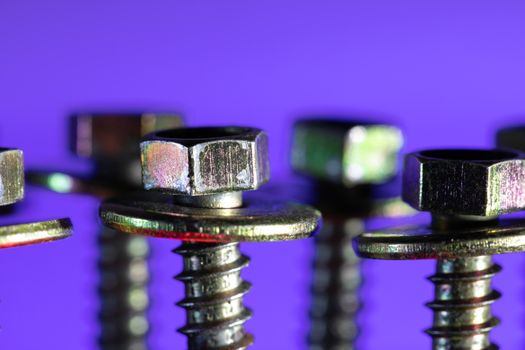
Sheet metal screws are available in a range of diameters and lengths. The screw size is usually indicated by a number (e.g., #6, #8, #10) followed by the length in inches. The diameter you need depends on the material thickness and the strength required. For thin materials, a smaller diameter like #6 or #8 may suffice. For heavier loads or thicker metals, #10, #12, or #14 sizes are common. Always ensure the screw length allows for proper thread engagement without protruding excessively. When using self-drilling screws, note that the drill point length must be longer than the total material thickness to effectively drill and tap in one operation.
Type A screws have a coarse thread and a sharp gimlet point, while Type AB screws have a finer thread spacing with a sharp point. Type AB is often preferred for thin or brittle materials because the finer thread reduces the risk of cracking. Both can be started without a pilot hole in many cases.
Yes, sheet metal screws are suitable for wood, especially resinous wood. Type A screws with their coarse thread work well in wood because the sharp point starts easily and the aggressive thread holds firmly. However, for heavy-duty wood fastening, wood screws with a larger core diameter may be more appropriate.
Yes, Type B screws have a blunt point and require a pre-drilled pilot hole. The hole must be the correct size for the screw to engage properly. Without a pilot hole, the blunt point cannot penetrate the material, and the screw may break or the material may deform.
Tek screws are self-drilling screws with a drill point that eliminates the need for pre-drilling. They are ideal for fastening metal to metal or metal to wood in construction, metal roofing, HVAC, and steel framing. Choose the point number based on the total material thickness you are drilling through.
Type 17 thread-cutting screws are best for stainless steel and non-ferrous metals. Their six cutting edges and machine screw thread design allow them to cut clean threads in harder materials without excessive torque. Always use a pilot hole when installing Type 17 screws.
Selecting the correct sheet metal screw type depends on the material, thickness, and whether you can pre-drill. By matching the thread style, point geometry, and size to your project requirements, you can achieve strong, reliable joints that resist vibration and pull-out. Always refer to manufacturer specifications for exact pilot hole sizes and material thickness limits when using thread-cutting or self-drilling screws.

