
Blog posts
-

Wholesale vs Retail Fastener Pricing: What Contractors Need to Know
Wholesale vs Retail Fastener Pricing: What Contractors Need to Know -


Find the correct pilot hole size for sheet metal screws. Chart for #4 to #12 screw gauges and tips for drilling in steel.
Driving a sheet metal screw into steel or thin-gauge metal without a pilot hole can lead to stripped threads, bent screws, or cracked material. A pilot hole clears the way for the screw threads to engage properly, reducing the force needed and helping the fastener seat flush. The right drill bit size depends on the screw gauge and the thickness of the metal you are fastening into. This guide covers the standard pilot hole sizes for the most common sheet metal screw gauges, based on general recommendations and manufacturer data.
For most general applications, a fractional drill bit that matches the core diameter (the minor diameter) of the screw works well. The table below shows the commonly recommended pilot hole drill sizes for sheet metal screws from size #4 to size #12, as published in general DIY reference guides.
| Screw Gauge | Pilot Hole Drill Size (inch) |
|---|---|
| #4 | 3/32 |
| #6 | 7/64 |
| #8 | 1/8 |
| #10 | 9/64 |
| #12 | 5/32 |
These sizes are a reliable starting point for sheet metal up to about 16 gauge. Always test the fit on a scrap piece of the same material before committing to a full run.
The thickness of the sheet metal, often called the material gauge, can change the ideal pilot hole size. Thicker steel requires the screw threads to cut deeper, so a slightly smaller pilot hole may be needed to give the threads enough material to bite into. Thinner metal demands a larger pilot hole to prevent the screw from deforming or tearing the sheet.
For example, one manufacturer recommends a #32 drill bit (0.116 inch) for a #6 sheet metal screw when fastening into 14 gauge steel. This differs from the general 7/64 inch (0.109 inch) bit listed in the table above. The 0.007 inch difference is small but can be enough to avoid over‑stressing the screw or stripping the threads in thicker material. Always verify the manufacturer's instructions for the specific screw you are using, especially when working with steel thicker than 16 gauge.
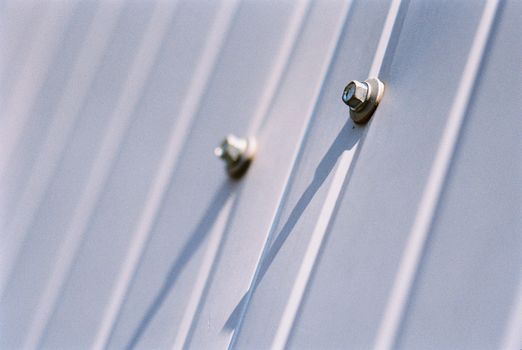
For soft metals like aluminum or thin‑gauge steel (20 gauge or thinner), a pilot hole on the larger side of the recommended range helps prevent the screw from causing a bulge or cracking the edge of the hole. For hard stainless steel or thicker plate, a pilot hole on the smaller side gives the threads more material to engage, improving pull‑out strength.
If you are using self‑tapping sheet metal screws with a cutting slot or a blunt point, the pilot hole diameter becomes even more critical. A hole that is too small can cause the screw to snap, while a hole that is too large will not let the threads grip. Test one fastener first, then adjust the bit size up or down by 1/64 inch if needed.
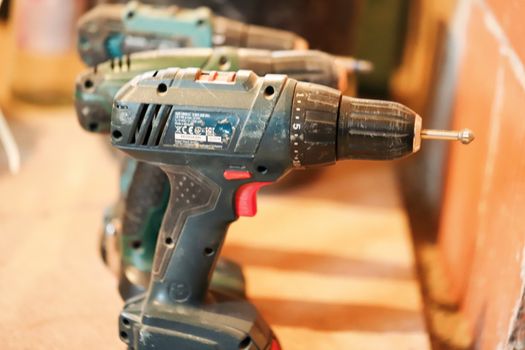
Use a sharp drill bit made for metal. High‑speed steel (HSS) bits are a common choice. Apply cutting oil or a light lubricant to reduce heat and extend bit life. Clamp the sheet metal firmly to a backing board to prevent it from spinning or whipping as the bit breaks through.
Drill at a moderate speed – too fast can overheat the bit and work‑harden the steel. Start the hole with a center punch to keep the bit from walking. For holes larger than 1/8 inch, you may want to step drill in two passes (first a smaller pilot, then the final size) to reduce strain on the drill motor and keep the hole round.
This guide covers the most frequently stocked sheet metal screw gauges (#4 through #12). Sizes #0, #1, #2, #3, #5, #14, and 1/4 inch are less common and do not have a single universally agreed pilot hole size in the references used here. For those fasteners, consult the screw manufacturer's published dimensional data or use a drill bit that matches the minor thread diameter of the screw. Minor diameter is the width of the solid shaft inside the threads; you can measure it with a caliper on a sample screw.
A 1/4 inch sheet metal screw (which is a size‑14 gauge or larger, not the same as a 1/4‑20 machine screw) typically requires a pilot hole between 13/64 and 7/32 inch, but since no single source in the available research confirms that range, check with the fastener supplier for the exact recommendation.
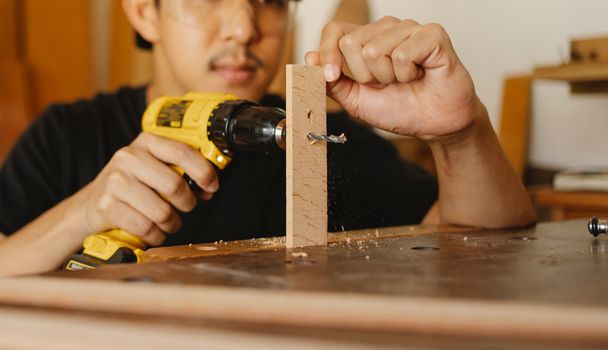
In most cases, yes. Even self‑tapping sheet metal screws benefit from a pilot hole to guide the screw straight and reduce the effort needed to drive it. Thin materials (24 gauge and lighter) may allow a screw to push through without a pilot hole, but the risk of bending the screw or distorting the metal is higher.
No. Wood screws require a different pilot hole size because wood compresses differently than metal. Sheet metal pilot holes are typically smaller than wood pilot holes for the same screw gauge, and they must account for the screw's thread depth and the metal's hardness.
A 5/32 inch drill bit equals 0.15625 inch. In number drill bit sizes, the closest match is a #22 bit (0.157 inch), and in letter sizes it falls between D (0.158 inch) and F (0.154 inch). For most work, a 5/32 inch fractional bit is the standard choice for a #12 sheet metal screw pilot hole.
The general reference of 7/64 inch works for typical 16‑20 gauge steel. The #32 drill bit (0.116 inch) is recommended for #6 screws in 14 gauge steel, which is thicker and requires a slightly larger hole to avoid overstressing the fastener. Material thickness is the reason for the difference.
Choosing the correct pilot hole size for sheet metal screws improves joint quality, prevents fastener failure, and saves time on rework. Start with the fractional sizes listed for the common #4 to #12 screws, adjust based on the thickness of the steel you are drilling, and always verify with the screw manufacturer when working with heavier gauges or specialty fasteners. A small investment in the right bit size pays off with clean, strong threads every time.

