
Blog posts
-

Wholesale vs Retail Fastener Pricing: What Contractors Need to Know
Wholesale vs Retail Fastener Pricing: What Contractors Need to Know -


Compare pan head vs hex washer head screws for metal roofing and siding. Learn drive methods, built-in washers, torque capacity, and typical uses.
Choosing the right screw head for metal roofing and siding can be the difference between a secure, long-lasting installation and one that leads to leaks or fastener failure. Two of the most common head styles in this field are pan head and hex washer head screws. While both are widely used, they differ in drive method, built-in features, and typical applications. This article compares pan head vs hex washer head screws based on their design, torque handling, and practical use in metal roofing and siding projects.
The pan head screw features a rounded top with a flat underside. This design gives it a low profile with a broad bearing surface. Pan head screws are considered the most common type of rounded-top screw head. They are simple, inexpensive, and effective for a wide range of materials. In fact, almost all tapping screws are made with a pan head rather than a round head. They are frequently used in carpentry, brasswork, and metalwork. For metal roofing and siding, the flat underside helps distribute clamping force evenly without damaging the metal panel.
Pan head screws use an internal drive system, such as a Phillips or slotted drive. The driver engages inside the head, which makes them easy to install with a standard screwdriver or power tool bit. Despite their small size, pan head screws are known for offering high torque tolerance. This means they can handle the tightening force required in many metal fastening applications without stripping easily. However, because the drive is internal, there is a limit to how much torque can be applied before the recess wears out.
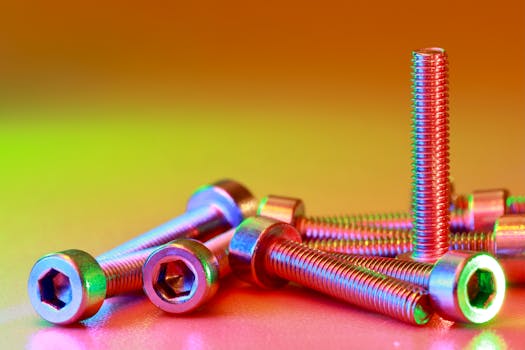
Hex washer head screws combine a hexagonal outer shape with an attached washer-style flange under the head. This integrated flange provides a larger surface connection area without needing a separate washer. The hex washer head is a newer and more common version of the traditional hex head. Some hex washer head screws also include a Phillips or slotted combination drive, giving the installer a choice between internal and external driving. These screws are heavily used in construction and industrial settings, often for structural fastening where a larger bearing surface is essential.
Hex washer head screws are primarily externally driven. A wrench, socket, or nut driver grips the outside of the hex shape to turn the screw. This external engagement allows for greater torque application compared to internal drives of similar size. Hex head screws in general are common in bolts and are designed for high-torque installations. For metal roofing and siding, this means the screw can be driven firmly into steel purlins or structural supports without the drive stripping out. Some hex washer head screws also come with bonded washers under the flange to create a weather-tight seal.
The table below summarizes the main differences between pan head and hex washer head screws based on the information available. Note that specific performance depends on the screw size, material, and actual application.
| Feature | Pan Head Screws | Hex Washer Head Screws |
|---|---|---|
| Drive method | Internally driven (Phillips, slotted, square, etc.) | Externally driven (hex shape), sometimes with combination internal drive |
| Built-in washer | No built-in washer; separate washer may be needed if larger bearing surface is required | Integrated washer-style flange under the head for larger contact area |
| Torque capacity | High torque tolerance for an internal-drive screw | Greater torque possible due to external wrenching |
| Typical applications | Carpentry, metalwork, tapping screws, and general sheet metal fastening | Structural fastening, construction, and applications needing a large bearing surface |
| Common use in metal roofing/siding | Often used for thinner gauge metal or where a lower profile head is acceptable | Preferred for attaching panels to structural steel or where higher clamping force is needed |
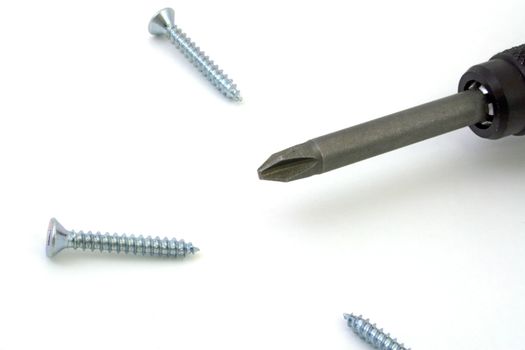
Neither head style is universally better for all metal roofing and siding jobs. The choice depends on several project-specific factors. If you are fastening metal panels to wood framing or thinner gauge steel, a pan head screw with a separate washer may provide a clean, low-profile finish while still offering high torque tolerance. Pan head screws are also widely available and cost-effective for bulk projects. On the other hand, if you are attaching metal roofing or siding to heavy steel purlins or structural members, a hex washer head screw often delivers more reliable clamping force. The integrated flange eliminates the need to handle a separate washer, and the external hex drive lets you apply higher torque without cam-out. Many contractors choose hex washer head screws for standing seam metal roofing profiles where a flush, weather-tight seal is critical.
When using pan head screws for metal roofing, installers must ensure the screw is driven straight and at the correct depth to avoid over-tightening and crushing the panel. Because pan head screws lack a built-in washer, a separate neoprene or metal washer is often added to prevent leaks. For hex washer head screws, the integrated flange distributes pressure evenly, reducing the risk of over-torque damage. The bonded washer, if present, creates a seal directly under the head. Additionally, the hex head allows for more rapid installation with a socket driver, which speeds up large roofing projects. However, if the hex washer head screws also have a Phillips combination drive, using the internal drive may limit the torque compared to using the hex side.
For most metal roofing and siding applications, hex washer head screws offer practical advantages in terms of bearing area, torque capacity, and installation speed. They are particularly suited for projects requiring a weather-resistant fastener with an integrated seal. Pan head screws remain a solid choice for lighter-duty fastening, interior metal siding, or when a lower head profile is desired. Always consider the specific material thickness, structural support, and exposure to weather when selecting the screw head. Before purchasing in bulk, test both styles on a sample section of your roofing or siding to confirm fit and performance.
Yes, pan head screws can be used on metal roofing, especially when paired with a separate sealing washer. They are suitable for thinner metal panels and wood framing. However, for heavy structural steel purlins or areas requiring high clamping force, hex washer head screws are generally preferred because of their larger bearing surface and higher torque capability.
No, hex washer head screws have an integrated washer-style flange under the head. This flange provides a larger bearing surface without needing an additional washer. Some hex washer head screws also include a bonded washer for improved sealing against moisture and air infiltration.
Both head styles can be strong when made from the same material and size. The hex washer head allows for greater torque application due to its external drive, which can be an advantage in structural fastening. Pan head screws also offer high torque tolerance for their size, but the internal drive may limit maximum tightness compared to an external hex drive.
Pan head screws have a rounded top with a flat underside, while round head screws have a fully domed head without a flat bearing surface. Pan head screws are more common than round head screws in tapping and sheet metal applications. Almost all tapping screws today use a pan head rather than a round head design.
For heavy siding panels attached to steel framing, hex washer head screws are often better because they provide a larger clamping area and can be driven with higher torque. For light-gauge metal siding attached to wood, pan head screws with proper washers can work well. The final decision should match the specific material and structural requirements of the project.

