
Blog posts
-

Wholesale vs Retail Fastener Pricing: What Contractors Need to Know
Wholesale vs Retail Fastener Pricing: What Contractors Need to Know -


Learn correct Tapcon screw installation: hammer drill depth, bit sizes, cleaning holes, and driving tips to avoid stripping in concrete and masonry.
Tapcon screws are a popular concrete anchor option for both professional contractors and DIY homeowners. They allow you to fasten fixtures, brackets, and framing directly to concrete, brick, or block without needing expansion anchors or epoxy. Getting the installation right matters, because a poorly driven Tapcon can strip out, break, or fail to hold. The following tips cover the correct drilling and driving methods drawn from official installation instructions and experienced user advice.
Preparation is the most important step in any concrete anchor installation. With Tapcon screws, the quality of the drilled hole directly determines how well the anchor will grip and how easily it will drive. Two critical preparation decisions are the drill bit size and the hole depth.
The size of the hole must match the anchor diameter exactly. For a 3/16 inch Tapcon anchor, you need a 5/32 inch drill bit. For a 1/4 inch Tapcon anchor, you need a 3/16 inch drill bit. Using the wrong size bit will either make the hole too tight, causing the screw to bind and possibly break, or too loose, preventing the threads from gripping. The bit must be carbide tipped and meet ANSI standards to effectively cut into concrete and masonry without dulling quickly. Standard high speed steel bits will not work and may damage the drill or the bit.
Measure and mark the required depth before drilling. The minimum anchor embedment for both 3/16 inch and 1/4 inch Tapcon screws is 1 inch. This means the screw must penetrate at least 1 inch into the base material to achieve rated holding strength. The official installation instructions state that you should drill the hole 1/4 inch deeper than the anchor embedment. So if you need a 1 inch embedment, drill 1 1/4 inches deep. That extra depth allows dust and debris to collect at the bottom of the hole rather than preventing the screw from seating fully.
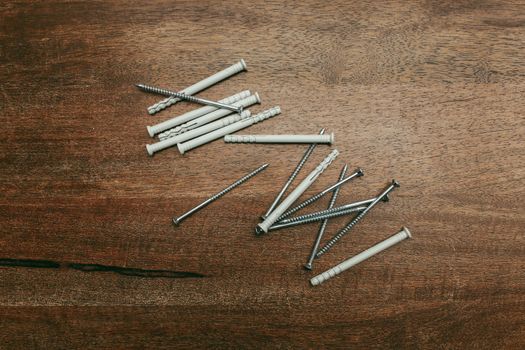
With the correct bit and depth marked, the next step is to drill the hole properly. Concrete and masonry are hard, dense materials that require the right tool and technique to produce a clean, accurately sized hole.
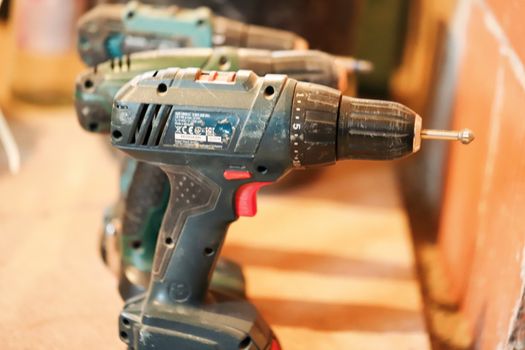
A hammer drill is recommended for drilling into concrete and masonry. The hammering action helps the carbide bit break up the aggregate as it rotates, making the drilling faster and less physically demanding. A standard rotary drill may work on soft brick or mortar, but for structural concrete a hammer drill is the correct tool. Use a moderate, steady pressure and let the drill do the work. Pushing too hard can cause the bit to overheat or wander, producing an oversized or angled hole.
After drilling, the hole must be cleaned of dust and debris before inserting the Tapcon screw. If dust remains, the screw may not reach full embedment, or the threads may bind on compacted dust rather than the concrete. Use a blow out bulb or compressed air to clear the hole completely. Blast air into the hole until no more dust comes out. For deep or multiple holes, a dedicated blow out bulb is a simple, low cost tool that works well on job sites.
Once the hole is clean, you are ready to drive the Tapcon anchor. How you drive it makes a significant difference in whether the installation succeeds or fails. The head type you choose and the driving technique you use are both important factors.
Tapcon screws are available with either a Phillips head or a hex washer head. Experience shows that hex head Tapcon screws are generally easier to drive without stripping the head. A hex head allows a nut driver or socket to engage securely, and it can handle higher torque without camming out. Phillips head Tapcon screws are more prone to stripping, especially when driving into hard concrete or when using a hammer drill to drive them. If you plan to install a large number of anchors or you are working with dense material, hex head screws provide more reliable results. When you do use Phillips head Tapcons, pulse the trigger in short bursts to reduce the risk of cam out.
The official Tapcon installation instructions say to drive the anchor using a hammer drill with a nut driver or Phillips bit. However, many experienced users advise against using hammer mode when driving Tapcon screws. The hammer action can cause the threads to strip inside the concrete, or it can prevent the screw from driving all the way in. Instead, switch your drill to rotation only mode, or use an impact driver set to a low torque setting. An impact driver delivers rotational force without the back and forth hammering, which can help seat the screw fully without damaging the threads. Whatever tool you use, drive the screw straight and stop as soon as the head contacts the material. Overdriving can strip the hole or break the screw.

Even with good preparation, installation problems can occur. Two frequent mistakes are easy to avoid once you know what to watch for.
The most common error reported by users is leaving the hammer drill in hammer mode while driving the Tapcon screw. The hammer action is designed for drilling, not for driving. When the hammer engages on a screw that is already threaded into concrete, it can cause the screw to bounce, strip the threads in the hole, or damage the screw head. Always switch to rotation only mode on your hammer drill when you switch from drilling to driving. If your drill does not have a rotation only mode, consider using a regular drill or an impact driver for the driving step.
A stripped Phillips head is a frustrating problem. It often happens when the bit does not fully engage the recess, or when too much torque is applied too quickly. Using hex head screws eliminates the cam out issue entirely. If you are already using Phillips head Tapcons, pulse the trigger: run the drill for one to two seconds, then pause for one second, then repeat. This intermittent driving gives the bit time to stay seated in the recess and reduces heat buildup that can soften the metal. Also, keep the drill bit aligned squarely with the screw head. Angling the bit increases the chance of stripping.
Drilling deeper than recommended is not a problem as long as the minimum embedment of 1 inch is still achieved. The extra depth simply provides more room for dust. However, do not rely on extra depth to make up for an improperly sized bit or a poor quality hole. The holding strength of the anchor comes from the threads engaging the concrete at the correct depth.
Yes. The bit must be carbide tipped and meet ANSI standards. A standard masonry bit may not be hard enough to cut cleanly through concrete aggregate, which can lead to oversized holes or premature bit wear. Carbide tipped bits are designed specifically for this application and will produce the correct hole diameter and surface finish needed for the Tapcon threads to grip.
Yes, Tapcon screws work in brick, concrete block, and mortar as well as poured concrete. The same drilling and driving guidelines apply. In softer materials like mortar or lightweight block, be careful not to overtighten the screw, as the material may crack or crumble. Start with a smaller pilot hole if the material is especially soft or friable.
Stop immediately. Do not apply more force, because you risk breaking the screw or stripping the hole. The most likely cause is dust still in the hole. Remove the screw, clean the hole again with compressed air or a blow out bulb, and try again. If the screw still will not drive fully, the hole may be too shallow. Check the depth measurement and redrill if necessary.
Following these Tapcon screws drilling tips will help you achieve consistent, secure installations in concrete and masonry. Use the correct carbide tipped bit, drill to the proper depth plus a quarter inch, clean the hole thoroughly, and switch to rotation only mode when driving. Choosing hex head screws over Phillips can also save time and frustration. With the right preparation and technique, Tapcon anchors provide dependable holding power for a wide range of fastening jobs.

