
Blog posts
-

Wholesale vs Retail Fastener Pricing: What Contractors Need to Know
Wholesale vs Retail Fastener Pricing: What Contractors Need to Know -


Learn how to select the correct wood screw size for deck and furniture projects. Gauge numbers, length rules, and application tips included.
Selecting the correct wood screw size is essential for any deck, furniture, or general construction project. Using a screw that is too small can lead to weak joints, while one that is too large may split the wood or add unnecessary weight and cost. Wood screws are sized using a gauge numbering system that ranges from 0000 to 32, but the most common sizes for typical projects are #4 through #14. Understanding what each gauge number means, how length is determined, and when to use a specialty screw will help you get a strong, long-lasting result.
Wood screw gauge numbers indicate the diameter of the screw shaft. A higher gauge number means a thicker screw. The table below shows the most common gauge numbers used in deck and furniture work, along with their typical applications, available lengths, and driver bit colors. Knowing these basics helps you match the screw to the task at hand.
| Gauge Number | Major Thread Diameter | Typical Applications | Common Length Range | Driver Bit Color / Size |
|---|---|---|---|---|
| #4 | Not specified in research | Small crafts, jewelry boxes, attaching hinges (extra-light duty) | 3/8 in. to 3/4 in. | #0 bit (light yellow) |
| #6 | Not specified in research | Small crafts, hinges, drawer slides, children’s furniture, toys (light-duty) | 1/2 in. to 1-1/2 in. | #1 bit (medium green) |
| #8 | 0.164 in. (5/32 in.) | General furniture construction, cabinets, light construction (good all-purpose) | 5/8 in. to 3 in. | #2 bit (red) |
| #10 | 0.190 in. (3/16 in.) | General construction, heavy-duty furniture, outdoor projects, decks, lawn furniture, boat building | 3/4 in. to 4 in. | #2 bit (red) |
| #12 | 0.216 in. (7/32 in.) | Heavy-duty construction, hanging solid-core doors | 3/4 in. to 6 in. | #3 bit (black) |
| #14 | Not specified in research | Heavy-duty construction, hanging solid-core doors | 3/4 in. to 6 in. | #3 bit (black) |
For a typical indoor furniture project, a #8 wood screw between 1-1/2 inches and 2 inches long is a common recommendation. For outdoor builds such as decks or fences, many builders choose a 3-inch screw to get extra holding power. The #10 gauge is especially popular for decking because it offers a good balance of strength and ease of driving.
Length is just as important as gauge. Two useful guidelines can help you determine the correct length for your project.
A practical approach is the McFeelys 2/3 Rule. It suggests that about two-thirds of the screw should be threaded into the secondary piece of wood (the piece that is being fastened to). For example, if you are attaching a 1-inch-thick board to a 2-inch-thick frame, the screw should enter the frame about two-thirds of its length. If the screw is 2 inches long, about 1-1/3 inches would go into the frame, leaving the rest in the top board. This rule helps ensure enough thread engagement for a strong hold without risking the screw bottoming out or protruding.
Another general rule is to choose a screw that is 2 to 3 times the thickness of the top board being fastened. For a 3/4-inch-thick piece of wood, a screw between 1-1/2 inches and 2-1/4 inches long would be appropriate. This guideline works well for many furniture and deck applications, especially when you do not have specific manufacturer instructions. Keep in mind that the screw must also be long enough to pass through any other materials, such as trim or washers.
The right screw size depends heavily on the type of project. Below are recommendations for common scenarios, based on the information provided by fastener retailers and industry resources.
For small jewelry boxes, toy chests, or lightweight children’s furniture, a #6 screw in lengths from 1/2 inch to 1-1/2 inches works well. Attaching hinges and drawer slides on lightweight constructions also calls for #6 screws. For extra-small items like decorative hinges on jewelry boxes, a #4 screw (3/8 inch to 3/4 inch) is a better choice to avoid splitting very thin wood.
Most indoor furniture building, such as bookcases, desks, chair parts, and cabinet assembly, is well served by #8 screws. Common lengths range from 5/8 inch to 3 inches, with 1-1/2 inch to 2 inches being the most frequently used. The #8 gauge is considered a good all-purpose size because it offers enough holding power for moderate loads without being overly thick.
Outdoor projects like decking, lawn furniture, and boat building require a larger screw. The #10 gauge (3/4 inch to 4 inches) is the standard choice for decks and other outdoor structures. A 3-inch #10 screw is a common length for attaching deck boards to joists. For heavy-duty construction, such as hanging solid-core doors or building structural frames, step up to #12 or #14 screws. These are available in lengths up to 6 inches and provide the strength needed for demanding applications.
Wood screws are not the only fasteners available for wood projects. Understanding how they compare to other common types can prevent mistakes and improve the quality of your work.
Wood screws have deeper, sharper threads that bite into wood fibers for a strong hold. Drywall screws have finer threads meant for gypsum board and are more brittle. They can snap under the heavy torque required in woodworking or deck building. While drywall screws are cheaper and often used in a pinch, they are not a suitable substitute for wood screws in structural or furniture applications.
Lag screws are much larger and heavier, designed for high load-bearing structural connections such as deck ledgers or heavy timber framing. Wood screws are smaller and easier to drive; many can be installed without pre-drilling, while lag screws usually require pre-drilling and washers. For most furniture and deck projects, wood screws are the right choice, but for heavy structural joints, lag screws are the standard.
Plywood screws are designed to grip layered sheet goods like plywood or MDF without delaminating the plies. Their threads are often more aggressive and have a sharper point to prevent splitting in engineered wood. Wood screws, on the other hand, have a more general-purpose thread suited for solid wood and mixed-material projects. If you work mostly with plywood, you may find plywood screws give cleaner results, but wood screws remain more versatile overall.
Understanding the difference between traditional and modern production wood screws can help you choose the right fastener for your work. Traditional wood screws have a shank diameter that matches the outside thread diameter. This design requires tapered drill bits to pre-drill a pilot hole that widens at the top. Modern production screws have a shank diameter smaller than the major diameter but larger than the minor diameter. This allows them to be used with standard straight drill bits, which is more convenient for most builders. When buying wood screws, check whether they are traditional or modern style so you use the correct drilling method.
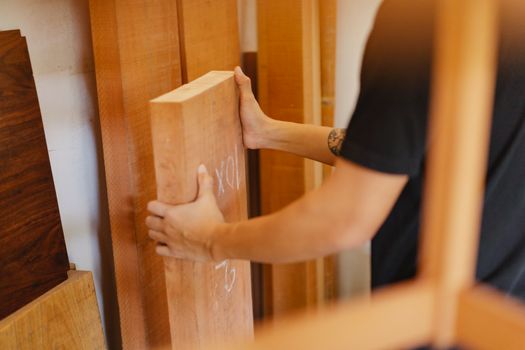
For attaching a 2x4 to another piece of lumber, a #10 screw is a common choice. If the 2x4 is the top board, a length of 2-1/2 to 3 inches usually provides good penetration into the secondary piece. Always follow the 2/3 rule: about two-thirds of the screw should be threaded into the lower board.
Drywall screws are not recommended for wood projects because they are more brittle and have finer threads that do not grip wood fibers as securely as wood screws. They can snap under torque and may not hold up to the stresses of furniture or deck use. For any project involving wood, a proper wood screw is a safer choice.
Pre-drilling is not always required, but it depends on the wood hardness and screw type. Hardwoods and dense materials benefit from pilot holes to prevent splitting. Modern production screws often have features that reduce the need for pre-drilling in softwoods. For critical joints or when working near the edge of a board, pre-drilling is a good practice.
Driver bits are color-coded for convenience. Use a #0 bit (light yellow) for #4 screws. Use a #1 bit (medium green) for #5 through #7 screws. For #8 through #10 screws, use a #2 bit (red). For #12 and #14 screws, use a #3 bit (black). Matching the bit to the screw gauge prevents cam-out and damage to the screw head.
For most deck building, a #10 gauge screw in a length long enough to penetrate the joist by at least 1-1/2 inches offers excellent holding power. For heavy-duty connections, consider #12 or #14 screws. The #10 gauge is widely used for deck boards because it provides a good balance of strength, ease of driving, and resistance to snapping.

